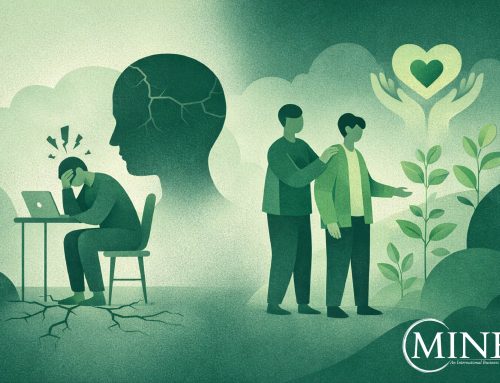
It’s International Stress Awareness Day, and spreading awareness and knowledge about stress has never been more important. A recent report by the American Psychological Association found that over 1 in 4 American adults are so stressed that they can’t function. While, to some extent, stress is unavoidable, if it’s getting in the way of your day-to-day functioning, then that’s a clear sign that you need to take steps to manage your stress levels better.
In this article, we’ll go over the most common causes of stress in America, and provide actionable tips you can take to reduce stress levels every day.
Why are we so stressed?
It’s important to look into what’s driving these alarming numbers. Why are American adults so stressed? And what, if anything, can we do about it?
Here are some of the top causes of stress that were reported in the 2023 Stress in America Report published by the American Psychological Association.
Family responsibilities
Balancing family responsibilities can feel overwhelming. Whether it’s raising kids, caring for aging parents, or managing household dynamics, adults face so many pressures that can build up. Family demands can overlap with work, health, and personal commitments — which leaves you with little time for self-care or moments to just relax. It’s no wonder this constant juggling act can cause you to feel spread too thin or burnt out.
Many people may find that their support systems are either too small or too far away to make a difference, and financial resources are often stretched thin as well. With so many responsibilities to manage, it’s easy to feel like there’s no one to lean on and like others don’t really understand how hard it can be. You might feel isolated in these struggles — but the truth is, so many people are dealing with the same challenges.
Finances
Money concerns continue to be a powerful source of stress for American adults, including stress about the state of the economy. You might consumed by thoughts about paying for essentials or covering unexpected expenses. Women, in particular, are more likely to report feeling overwhelmed by financial stress and paying for essentials. When financial worries occupy so much mental space, other areas of your life — like relationships, self-care, or even making long-term plans — can get pushed aside.
And yet, talking about money is often difficult for people. Almost half of adults said they’d rather avoid these conversations altogether, which can make financial stress feel even more isolating. When we open up about our money concerns, it often helps to find that others are facing the same struggles and can offer support and solutions we might not have thought of ourselves.
Relationships
Relationships — whether they’re with family, friends, or partners — are essential for a fulfilling life, but they’re not without stress. Especially when relationships don’t go well, they can take a real toll on our mental well-being. Women, in particular, report that relationships add an extra layer of stress — possibly because they often juggle emotional labor in ways that may go unrecognized. Without a clear way to work through these stressors, you may start to feel worn down and unsupported.
Feeling misunderstood or unseen within relationships can intensify stress, especially when you’re already stretched thin by other demands. For many people, opening up to friends or loved ones might feel like “too much” or like they’re being a burden, even though genuine connection and understanding can provide a great deal of relief. Sometimes, finding even one person to share these feelings with can make all the difference.
Health
Health-related stress, including stress about your own chronic illnesses and the health of loved ones, is a major concern for many adults in America. On top of physical symptoms, Americans also face stress from navigating medical bills, treatment options, and insurance issues. Health issues also tend to tie into financial stress because treatment costs and insurance complexities often add an extra layer of worry.
Violence and crime
Many Americans feel a deep concern for their personal safety, especially with the rise in violent incidents like mass shootings. Nearly two in five adults reported personal safety as a significant cause of stress in their lives. Constant news about violence can also worsen feelings of fear and vulnerability and may make it difficult for you to find a sense of peace or security in your daily life.
The prevalence of violent crime in the U.S. can contribute to a general atmosphere of fear. Worries about being in the wrong place at the wrong time may overshadow moments of calm. This ongoing anxiety can strain your mental well-being and, for some people, can even make it hard to function on a day-to-day basis.
Discrimination
Discrimination remains a major source of stress for many, especially for marginalized communities who often face it in their daily lives. More than a quarter of adults said discrimination significantly affects them, and the experience is even more pronounced for certain groups. LGBTQIA+ adults, people with disabilities, and people of color report higher rates of discrimination — and for these groups, speaking up about their experiences is often met with fear or discomfort about how others will react.
This constant worry about discrimination can take a serious toll. It impacts personal safety and well-being and leaves many feeling unsupported by their communities. Those who experience discrimination frequently report feeling unheard, and they are less likely to feel accepted in their communities.
Everyday ways to manage chronic stress
Stress is normal — and can even help you grow, according to experts. But chronic stress should never get in the way of living the life you want to live. And if you don’t take steps to manage chronic stress, it can have serious consequences for your overall health.
This International Stress Awareness Day, take these steps to manage your chronic stress levels:
- Set boundaries with notifications: Schedule times to check messages instead of responding instantly. A little distance from your device can help you feel more in control and reduce stress.
- Prioritize your workload: To reduce stress at work, tackle high-impact tasks first and break bigger projects into smaller steps. A clear sense of priorities can make it less likely that you’re overwhelmed, and make each day feel more manageable.
- Stay socially connected: Catching up with friends, family, or colleagues can give you a mental break and improve your mood, helping you feel supported.
- Practice simple breathing exercises: Try a few deep breaths or the 4-7-8 technique (inhale for 4 seconds, hold for 7, exhale for 8). This can calm your nervous system and bring down stress quickly.
- Get some movement in: Even a quick 10-minute walk or a few stretches at your desk can boost energy and reduce tension, giving your mind a much-needed break.
- Plan “no-go” hours for better sleep: Decide on a cutoff time for both work-related thoughts and screens. It gives your brain the rest it needs for deeper, more restorative sleep.
- Get outdoors: A few minutes outside each day, even just a short walk, can improve mood, increase energy, and provide a mental reset.
- Try journaling small wins: Jotting down little successes each day — big or small — can boost your sense of accomplishment and give you a moment of positivity.
- Reach out to your EAP: Use the counseling, workshops, and wellness resources available through your EAP for extra support in managing stress or finding balance.
If you have MINES & Associates as your EAP, you get access to 24/7 free and confidential counseling. Take advantage of it to reduce stress all year long.
To Your Wellbeing,
The MINES Team