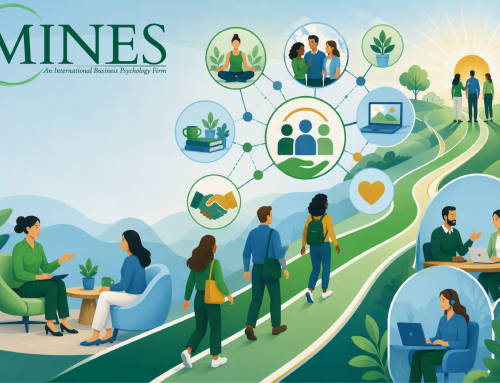
On October 10th, we celebrate World Mental Health Day, an important occasion to highlight the significance of mental well-being in the workplace and beyond.
Mental health awareness has come a long way in recent years, but we still have much further to go. While discussions on mental health often center around mental illnesses and their impacts, the truth is that mental health encompasses so much more than just the absence of these conditions. Mental health is about building overall emotional, psychological, and social well-being, which directly influences how we perform, interact, and thrive at work.
At MINES & Associates, we’re committed to improving the mental health of every employee, not only those who live with mental health conditions. Today, let’s talk about what being mentally healthy truly means.
Mental health is about more than mental illness
When we talk about mental health, the conversation often centers on mental illness—conditions like anxiety, depression, or bipolar disorder. And while it’s important to raise awareness about these challenges, focusing only on illness can give us a narrow view. Mental health isn’t just about what’s wrong — it’s also about what’s going right.
Just like being truly physically healthy is about more than just not being sick, true mental health is about more than the absence of mental illness. Shifting the perspective in this way helps us to understand that the mental health conversation is one that affects every single one of us, not only those who live with a mental health condition.
True mental health is about how we function in our day-to-day lives — how we handle stress, connect with others, and find meaning in what we do. It’s about building resilience, staying emotionally balanced, and having a sense of purpose. Everyone, whether they’ve experienced mental illness or not, benefits from nurturing their mental well-being.
When we broaden the conversation beyond mental illness, we open the door to celebrating mental health for what it truly is: a vital part of our overall well-being. Mental health isn’t just about surviving the hard days — it’s about thriving on the good ones, too.
10 signs of mental health
So with that being said, what does it look like to be a mentally healthy person? We know about the problems we can face like depression, but what does it mean to have true mental health?
Here are 10 signs of mental health and well-being. As you read through them, consider how you’re doing in each area and what changes, if any, need to be made.
1. Emotional awareness and regulation
Being in tune with your emotions is crucial for mental health and social-emotional well-being. Emotional awareness is about recognizing what you’re feeling and understanding why you feel that way. This awareness helps you process your emotions instead of letting them take over.
For example, when you feel angry or frustrated, you can pause to identify it. Instead of reacting impulsively or having an angry outburst, you can choose a more thoughtful response.
Emotional regulation is just as important. It’s not about suppressing or swallowing down your feelings — it’s about knowing how to express and manage them in a healthy way. Learning to acknowledge your emotions and using coping strategies helps you stay grounded, even when life gets challenging.
2. Positive relationships
Healthy relationships are essential for mental well-being. Being around supportive friends and family can give you a sense of belonging and comfort. These connections allow you to share experiences, seek advice, and lean on others during tough times. Knowing that you have a network of people who care about you can help you feel more resilient.
On the flip side, relationships that drain your energy can hurt your mental health. It’s important to recognize those toxic dynamics and distance yourself when needed. Prioritizing relationships that uplift and encourage you creates a nurturing environment where you can really thrive.
3. Resilience
Resilience is a complex concept, but at its core, it’s just about how well you’re able to bounce back from adversity. No matter who you are, life will throw challenges your way. Having the ability to adapt and recover from those challenges is a sign of strong mental health. Resilient individuals view setbacks as temporary and believe in their capacity to overcome difficulties. This perspective helps them to maintain a sense of control and peace even during tough times.
Building resilience is a lifelong process that usually involves adopting healthy coping strategies and a positive mindset. When you face challenges, remind yourself of past experiences where you overcame obstacles. This reflection can remind you of your strength and ability to navigate whatever comes your way.
4. Healthy coping strategies
How you cope with stress is also a significant indicator of your mental health. Healthy coping strategies, like exercise, mindfulness, connecting with friends, or engaging creative outlets, can help you manage stress effectively. These activities not only provide relief from stress and anxiety but can also contribute to a healthier, more positive mental state in general. Healthy coping skills are also a big part of becoming more resilient.
On the other hand, relying on unhealthy coping strategies, like substance use or avoidance, can lead to negative outcomes and can make mental health worse. It’s important to acknowledge when these patterns arise. Self-reflection allows you to work toward replacing them with healthier habits that support your overall well-being.
5. Experience of positive feelings
You may not feel painful feelings like fear or despair, but do you feel positive feelings? Not feeling anything at all isn’t usually a sign of mental wellness. True mental health includes the capacity to experience and appreciate positive feelings. It’s not about being happy 100% of the time, but more about allowing yourself to enjoy moments of joy, contentment, and gratitude. Being open to these feelings helps you cultivate a more positive outlook on life. It’s important to recognize that experiencing joy does not diminish the reality of challenges; it just provides a necessary balance. The good, the bad, and the mundane – it’s all life.
It’s easy to focus on negative experiences, but by consciously recognizing positive emotions, you can shift your focus toward what is going well in your life.
6. Sense of purpose and meaning
Mentally healthy people have a strong sense of purpose and meaning in their lives. Whether your purpose comes from work, hobbies, or community involvement, it’s important to have a clear sense of what it’s all for. What is the deeper purpose? Having something to strive for can make challenges feel more manageable.
When you pursue activities (whether in your job or otherwise) that align with your values, it reinforces your sense of purpose. Engaging in meaningful work, volunteering, or diving into personal interests can help you feel more fulfilled in life, and therefore have more mental health.
7. Self-compassion
Self-compassion is about treating yourself with kindness during difficult times. It involves recognizing that everyone struggles and that it’s okay to make mistakes. Rather than being overly critical of yourself, you acknowledge your feelings and respond with warmth and understanding. This attitude can significantly reduce anxiety and foster a more positive self-image.
Practicing self-compassion allows you to build resilience. When you accept your flaws and challenges, you create a supportive inner dialogue. This perspective helps you face difficulties with greater confidence and reduces the impact of negative thoughts.
8. Flexibility and adaptability
Cognitive flexibility, or being able to adapt and think flexibly, is usually a sign of good mental health. There’s no avoiding it: Life is unpredictable. And those who can adapt to changing circumstances tend to manage stress better. Flexibility means being open to new ideas and willing to adjust your plans when necessary. This adaptability can make you more resilient and keep you grounded during uncertainty.
When you’re faced with unexpected challenges, having a flexible mindset can help you navigate through them with more ease. Instead of feeling stuck, you learn to find alternative solutions. This ability to pivot enhances your overall mental well-being and encourages a more balanced outlook on life.
9. Engagement in enjoyable activities
Enjoyment and pleasure are important for maintaining mental health. When you’re mentally healthy, life feels fun and enjoyable. Engaging in hobbies, sports, or creative pursuits can bring joy and fulfillment to your life and make you feel excited to wake up every morning. These leisurely moments can balance out stressful moments, and provide a necessary escape from daily pressures. Taking time for enjoyable activities is not a luxury – it’s a crucial part of self-care.
When you prioritize these activities, you boost your mood and learn how to enjoy life. As an added bonus, it can also strengthen your relationships with others who share similar interests, which can make you even more mentally healthy.
10. A commitment to personal growth
Lastly, true mental health involves a willingness to learn and grow. By committing to personal development, you can find the encouragement to reflect on your experiences and seek opportunities for improvement. It’s not about constantly wanting to be better, but more about finding ways to reach self-actualization.
Embracing challenges as learning experiences rather than obstacles can help you develop a growth mindset, which is linked to positive mental health. This mindset can help you become more resilient, learn how to love yourself, and empower you to build the life you want to be living.
Achieve mental health with your EAP
Your Employee Resource Program is also a free resource that can help you improve your mental health whether you live with a mental health condition or not. If you’re a MINES client, our EAP can offer you 24/7 free and confidential counseling and resource referrals when you need it. Just call (800) 873-7138 or use our digital intake form to get started.
Happy World Mental Health Day!
To Your Well-Being,
The MINES Team